
Fact Checked by: Payal Mamotra & Medically Reviewed by: Our Medical Team
Key Takeaways:
To keep your baby’s bassinet clean and safe, follow these five essential steps: (1) Check the do’s and don’ts for your bassinet’s materials, (2) Disassemble removable parts, (3) Use baby-safe cleaning supplies like white vinegar and mild detergent, (4) Clean each part properly (machine-wash fabric, wipe down frames), and (5) Let everything air dry completely before reassembly.
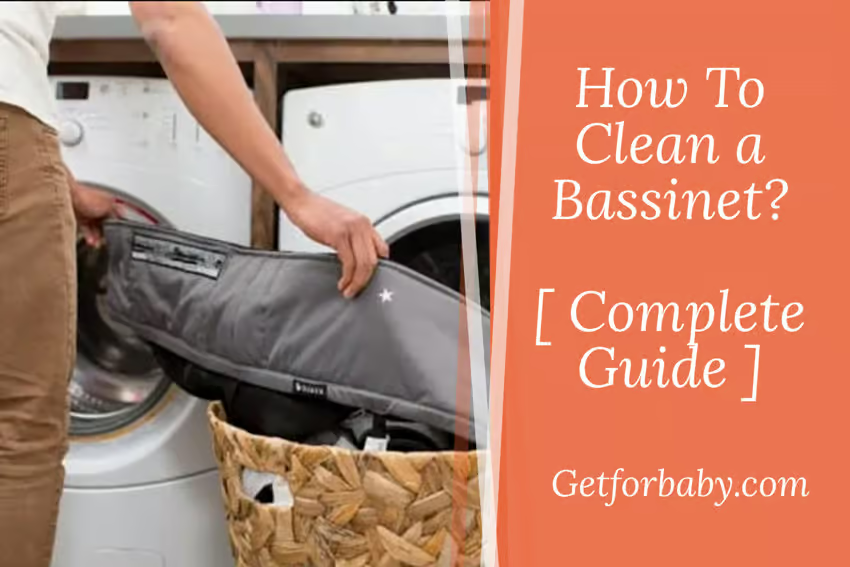
Imagine this—you tuck your baby into their cozy bassinet, thinking they are sleeping in a clean, safe space. But what if hidden dust, bacteria, or stains are lurking?
Babies are mess magnets, and their sleeping area needs regular, proper cleaning to keep them healthy.
But here’s the catch: not all cleaning methods are safe for your bassinet!
- Washing non-machine-washable fabrics the wrong way can ruin them.
- Using detergent on wooden parts can stain and damage the finish.
- Harsh chemicals? They leave behind strong odors that could irritate your baby.
So, how do you properly clean a bassinet without damaging it? How often should you clean it? And what’s the right way to sanitize different materials?
In this guide, I’ll show you how to clean your bassinet. We’ll cover every part: fabrics, bedding, canopy, mattress pad, sheets, and mesh. You can clean them all without causing damage.
So, let’s get started!
How to Clean a Bassinet & Its Accessories?
Keeping your baby’s bassinet clean is essential, but it doesn’t have to be complicated. The process can be broken down into five simple steps:
- Check the do’s & don’ts – Every bassinet is made differently, so knowing what’s safe (and what’s not) is key.
- Take it apart – Disassemble removable parts so you can clean them thoroughly.
- Gather your cleaning supplies – Choose the right cleaner based on your bassinet’s material.
- Start cleaning! – Use safe and effective methods to clean each part without damaging it.
- Put it back together – Reassemble everything securely so your baby can sleep safely.
Now, let’s detail each step so you can do it quickly, effectively, and without stress!
Step 1: Check the Do’s & Don’ts Before You Start
Every bassinet is made from different materials such as wood, metal, or fabric, and each requires a specific cleaning approach. That’s why bassinet manufacturers provide an instruction manual with cleaning guidelines tailored to their product.
For example, the manual specifies:
- The materials used (e.g., metal vs. wooden frame)
- How to dismantle and reassemble the bassinet
- Which parts are machine washable
Ignoring these details can damage the bassinet instead of cleaning it. You can find it on our site if you’ve misplaced the manual.
Step 2: How to Safely Take Apart Your Bassinet for Cleaning
Before cleaning, you need to disassemble the removable parts. Most bassinets have similar components, but not all parts need to be removed.
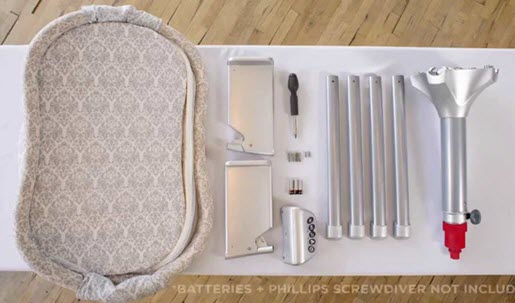
Parts That Can Be Removed & Cleaned Separately:
| Bassinet Component | Material & Features |
|---|---|
| Bassinet Frame | Usually made of aluminum or plastic; some designs allow full disassembly. |
| Bassinet Sheets & Mattress | Fully removable and machine-washable for easy cleaning. |
| Bassinet Mobile Device | If your bassinet has a built-in mobile or toy bar, detach it to prevent water damage. |
| Bassinet Mesh Sides | Some bassinets have cotton or mesh fabric, which are easy to clean. |
| Bassinet Canopy | Not all bassinets have canopies, but if yours does, check if it’s removable for washing. |
No Need to Remove These Parts:
- Wheels, lower frame, and storage compartments — These can be cleaned without disassembling.
- Difficult-to-realign components — Removing them can make reassembly tricky.
📌 Tip: If your bassinet has multiple removable parts, take pictures while disassembling, or make sure you have the manual to make reassembly easier later.
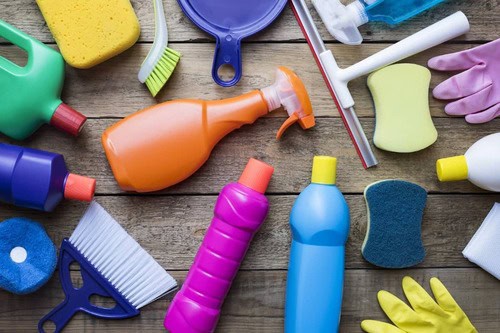
Step 3: Must-Have Cleaning Supplies for a Safe & Fresh Bassinet
Now that you know why proper cleaning is important and how to take apart your bassinet, it’s time to gather your cleaning supplies!
The good news? You don’t need expensive or fancy products—most of these are probably already in your home. Just make sure to pick the right cleaner based on your bassinet’s material.
| Cleaning Supply | Purpose & Benefits |
|---|---|
| Baby Laundry Detergent | Gentle, fragrance-free, and safe for sensitive skin. |
| Spray Bottle, Sponge, or Scrub Brush | Helps tackle different surfaces without causing damage. |
| White Vinegar & Lemon Essential Oils | Natural disinfectants that are safe for babies and effective at killing germs. |
| Antibacterial Soap or Baby-Safe Sanitizer Spray | Ideal for quick disinfecting and germ removal. |
But did you know that many household cleaners contain harsh chemicals that leave behind strong fumes and residues? That’s a big no-no for baby products!
🩺 Expert Tip: According to pediatricians, using harsh household cleaners like bleach or ammonia can leave behind strong fumes and residues that may irritate a baby’s sensitive skin and lungs. (Source: CDC)
Scientific studies have also linked long-term exposure to formaldehyde with increased odds of developing health problems ranging from asthma to cancer. (Source: envirn.org)
Instead of chemical disinfectants, you can use a mixture of white vinegar and warm water to kill germs without harmful effects.
Here’s how popular baby-safe options compare in terms of safety, effectiveness, and best usage:
| Cleaning Agent | Baby-Safe? | Best For |
|---|---|---|
| White Vinegar & Water | Yes | Metal & plastic frames, mesh, and general sanitization |
| Baking Soda Paste | Yes | Removing tough stains from bassinet mattresses and sheets |
| Hydrogen Peroxide (3%) | Yes (if rinsed well) | Disinfecting deep stains and odors in fabric |
| Mild Baby Laundry Detergent | Yes | Bassinet sheets, mattress covers, and fabric parts |
| Bleach Solution (Highly Diluted) | No | Not recommended for bassinets due to toxicity |
Step 4: Deep Clean Your Bassinet – The Right Way!
Cleaning a bassinet requires different methods for different materials. Some parts can go straight into the washing machine, while others need gentle hand cleaning to avoid damage.
What Needs Machine Washing vs. Manual Cleaning?
- Machine Washable: Bassinet bedding, canopy, mesh, cover, and skirt. (Always check the care label first!)
- Manual Cleaning: Bassinet stand, frame, wheels, and storage basket. (Use safe, baby-friendly cleaning solutions.)
Now, let’s go step by step!
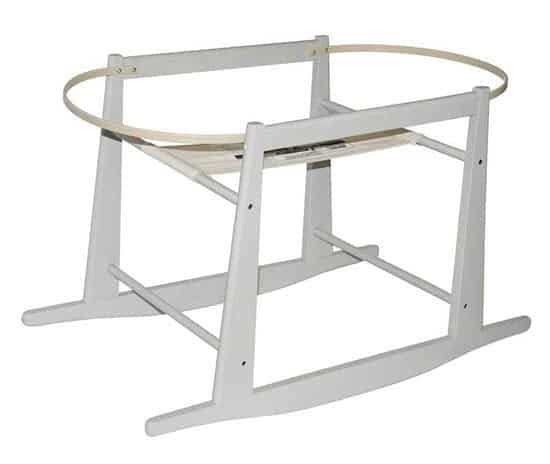
a) How to Clean a Bassinet Frame (Metal, Plastic & Wooden)
The frame is the foundation of the bassinet, so keeping it clean is just as important as washing the sheets!
🛠 Cleaning Metal & Plastic Frames:
- Mix a solution – Combine 1 cup white vinegar + 1 cup water in a spray bottle
- Spray the mixture directly onto the bassinet frame
- Let it sit for 2–3 minutes to break down bacteria, mold, and stains
- Wipe it down with a clean towel and dry completely to prevent water spots
💡 Why Use Vinegar? White vinegar is a natural disinfectant that kills bacteria without leaving behind harsh chemical residues. According to the Environmental Protection Agency (EPA), vinegar has antimicrobial properties that make it effective against household germs. (Source: EPA Guide)
🚫 When NOT to Use Vinegar:
- Wooden Bassinets – Vinegar can strip the finish and cause discoloration
- Plastic with Cushioned Sides – Instead, use warm water with a few drops of antibacterial soap and scrub gently with a sponge
🛠 Cleaning Wooden Bassinet Frames:
Wood is delicate and can warp or stain if exposed to too much moisture. Instead:
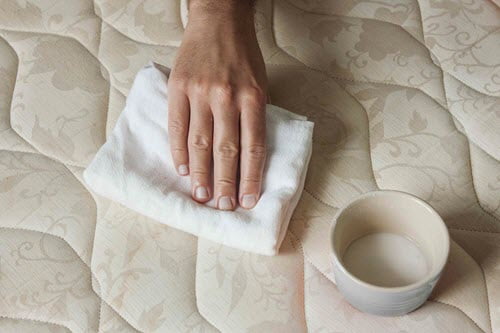
- Use a dry microfiber cloth to remove dust
- Apply a small amount of wood cleaner on a soft cloth and gently wipe the surface
- For tough stains: Use a damp microfiber cloth with a drop of mild baby soap—but don’t oversaturate the wood
💡 Personal Experience: When my baby had a milk spill on the wooden bassinet, I tried wiping it off with a regular baby wipe, but it left a faint stain. After some trial and error, I found that using a damp microfiber cloth with a tiny drop of mild baby soap worked wonders without damaging the wood. I now always keep one handy for quick cleanups!
b) How to Clean Bassinet Mattress & Sheets
Since your baby sleeps directly on these surfaces, keeping them fresh and germ-free is essential!
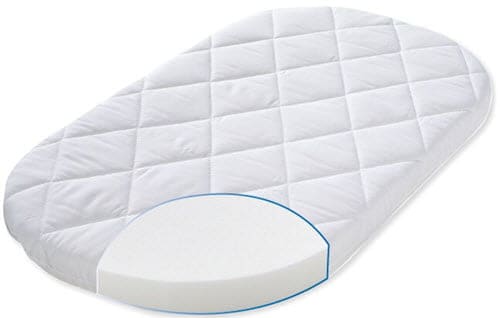
🛏️ Cleaning Bassinet Sheets & Mattress Covers:
- Check the washing label to confirm machine wash compatibility
- Use a gentle, fragrance-free baby detergent to avoid skin irritation (Dreft Stage 1 and Seventh Generation Free & Clear are great options!)
- Wash on a delicate cycle with cold or warm water
- Air-dry when possible to maintain fabric quality
🛏️ How to Remove Stubborn Stains from Bassinet Sheets & Mattress:
| Stain Type | Cleaning Method |
|---|---|
| Breast milk/formula | Soak in 1 tbsp baking soda + warm water for 15 minutes before washing |
| Diaper blowout stains | Apply a paste of hydrogen peroxide and baking soda, let it sit for 10 minutes, then rinse |
| Spit-up stains | Mix lemon juice and salt, apply to the stain, and wash as usual |
💡 Tip: Always test a small area before using any stain remover to prevent discoloration!
c) How to Wash Bassinet Canopy & Cover
The bassinet cover and canopy are crucial in keeping your baby’s sleep space clean and cozy. Since they collect dust and dirt over time, regular cleaning is essential.

🧼 Cleaning a Removable Cover or Canopy:
- Remove the fabric and place it in the washing machine
- Wash on a gentle cycle with cold water using mild baby detergent
- Air-dry completely to prevent shrinkage or fabric damage
🧽 Cleaning a Non-Removable Canopy:
- Use a damp cloth and mild soap to wipe it down gently
- Avoid soaking the fabric—excess moisture can cause it to lose shape
Step 5: How to Dry & Reassemble the Bassinet for Safe Use?
Now that all bassinet parts are clean, it’s time to dry them properly before assembling.
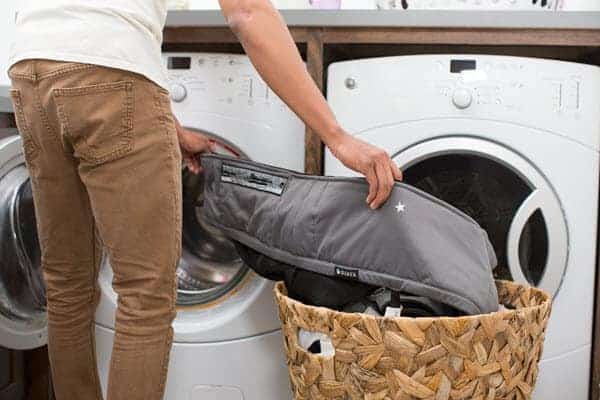
The Best Ways to Dry a Bassinet, based on my experience with 3 different models, include:
| Drying Method | Important Notes |
|---|---|
| ☀️ Sun Drying | Place outside in direct sunlight to kill bacteria. Avoid wooden bassinets—sunlight can weaken the wood. |
| 💨 Indoor Air-Drying | Use a fan or place parts near a well-ventilated area to speed up drying. |
| ⚠️ Low Heat Drying (Machine) | If using a dryer, set it to low heat to prevent damage. Never overheat the bassinet parts. |
If you have a wooden bassinet, avoid direct sunlight—it can cause fading and weaken the structure. Instead, use a fan or let it air-dry indoors.
Reassembling is a crucial final step in the bassinet cleaning process. If not done properly, it could put your baby at risk.
- Double-check all parts before putting them back
- Ensure screws, latches, and locks are tight to prevent accidents
- Press down gently on the bassinet to test its stability before placing your baby inside
⚠️ Important Safety Warning: Poorly assembled bassinets have caused collapses, injuries, and even infant deaths in the past. Always ensure your bassinet is fully secure before use.
So, these are the steps you must follow when you plan to wash your bassinet. I hope you found this guide helpful!
Word of Advice
Your baby’s immune system is still developing, making them more vulnerable to germs and bacteria. A clean bassinet isn’t just about hygiene—it’s about your baby’s health and comfort.
🧼 Don’t forget the small details! Bassinet hanging toys, mesh sides, and storage compartments collect dust and bacteria. Wipe them down regularly with white vinegar and warm water, and add a few drops of lemon essential oil to keep things fresh.
At the end of the day, your baby will spend months sleeping in their bassinet, so keeping it clean, fresh, and safe is a simple but important way to care for them.
We’d love to hear from you! Did you find this guide helpful? Have any extra cleaning tips? Comment below and help other parents create a safe sleep space for their little ones.
And if you found this helpful, share this guide with other moms and dads—because sharing is caring!
Frequently Asked Questions
When Should You Clean Your Bassinet?
You should clean your bassinet immediately if you notice visible stains, dirt buildup, or if your baby has recently been sick. Even if it looks clean, follow this routine:
- Wash bassinet sheets and linens at least once or twice weekly to maintain hygiene
- Clean other parts like the frame, wheels, stand, and storage basket as needed to remove dust and germs
Regular cleaning ensures a safe and healthy sleeping environment for your baby.
How to Clean a Bassinet That Doesn’t Come Apart?
To clean a bassinet that cannot be dismantled, use a combination of vacuuming, spot cleaning, and steam cleaning. Check the manufacturer’s instructions online for specific cleaning guidelines.
If you need a step-by-step guide, our detailed article on cleaning a non-dismantling bassinet will help.
How to Clean a Used Bassinet?
To thoroughly clean a used bassinet, follow these steps:
- Vacuum the entire bassinet to remove dust, dirt, and debris
- Wash removable fabric parts using a mild, baby-safe detergent and let them air dry
- Disinfect the frame, mattress, and non-washable parts with a solution of warm water and baby-friendly disinfectant or vinegar
- Clean the bassinet netting by spraying a mix of warm water and mild detergent, then wipe with a soft cloth
- Let everything dry completely before reassembling to prevent mold or mildew
This ensures the bassinet is sanitized, fresh, and safe for your baby to use.
How to Clean a Cot?
The best cleaning method depends on the material of the cot. You can use spot cleaning, steam cleaning, vacuuming, or washing. Always choose a gentle detergent to avoid damage or irritation.
How to Clean Bassinet Fabric?
Remove the fabric and wash it using a mild, unscented detergent that’s safe for your baby’s skin. Let it air dry completely before reattaching it.
How to Clean Bassinet Netting?
Mix warm water with a small amount of baby-friendly detergent in a spray bottle. Shake well, spray onto the netting, and wipe with a clean cloth or towel to remove dirt and bacteria.
Can You Wash Bassinet Mattress?
Yes, most bassinet mattresses are machine washable. Always check the manufacturer’s instructions for specific washing recommendations.
How to Wash Bassinet Mattress?
If your bassinet mattress is machine washable, remove it and place it in the washing machine. Use cold water, a mild detergent, and a gentle cycle to prevent damage. Let it air dry completely before using it again.
SHARE THE ARTICLE
About Author

Harvinder Singh
Senior Writer & Baby Gear Researcher
Harvinder Singh is a dedicated writer and baby gear researcher at Getforbaby.com. With a strong background in product testing and a practical understanding of infant care, he helps parents make confident buying decisions through honest, research-backed. Read More
We believe you should always know where our information comes from. Here are the trusted sources we used while writing this article:
- HealthyChildren.org – Laundry Room and Detergent Safety
- CDC – General Hygiene FAQs
- Alliance of Nurses for Healthy Environments – Toxic Baby Furniture Report (PDF)
- EPA – Guide to Disinfectants and COVID-19 (One-Pager PDF)
- PubMed Central – Infant Exposure to Chemicals and Indoor Pollutants
- HealthyChildren.org – How to Choose Safer Personal Care Products
- Center for Research – Chemicals & Health Risks in Crib Mattresses
Getforbaby editorial team is committed to providing the most helpful, updated & trustworthy information. When creating or updating the existing content, we rely on credible sources, respected health organizations, to support the facts within our articles. Read Our Editorial Process.